
Core loop
Each session swings between two linked halves.
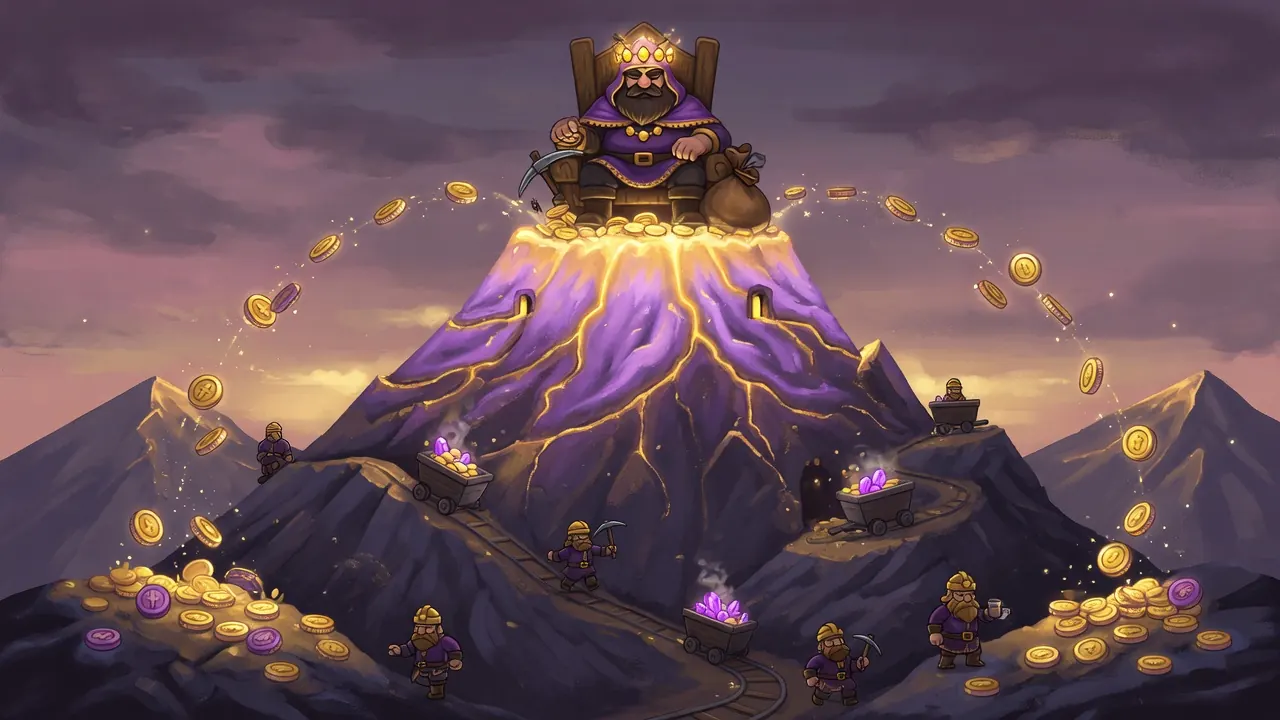
In the mine: you start a run, mark priority dig tiles, and watch your dwarves path toward ore and gold while the torch burns. Routes matter—dead rock wastes light, dense veins pay for the next hire. Deeper map levels tend to hold better loot, but greed can strand you on empty dirt when the flame goes out.
In the Mountain Hall: haul becomes gold and materials. You spend that on crew and tools, unlock workshops through simple goals (for example, a Smeltery after collecting enough ore), place rooms, and dig tunnels so those rooms actually connect to the rest of the hall. Sleeping space raises how many dwarves you can keep; production buildings turn raw ore into bars and other goods. Then you hit the mine button again with a slightly better operation.
The rhythm is plan → dig → upgrade/build → recruit → dig deeper. Progress feels like a small mining company that keeps reinvesting every successful shift.
How to play (first session)
- Open the game on itch.io and run it in the browser. Fullscreen helps a lot—you need a clear view of the dig grid and the UI edges.
- Find the mine control (right side of the screen) and start a mining run. Your first crew is small; the goal is learning how painting digs works, not maxing score.
- Mark dig priority with the left mouse button. Paint toward visible ore and gold clusters rather than random dirt. Hold and drag so you can see a preview of the selection before you commit (newer builds show this drag preview).
- Right-click to unmark tiles if you overshot a column or painted a useless corridor. Cleaning a bad path early saves more torch time than hoping dwarves “figure it out.”
- Watch the torch and the dwarves’ paths. They dig what you marked and will also keep busy on their own if orders run out—idle wandering is progress spent on the wrong stone. If a run is already good enough, leave early instead of waiting the clock out (flexible exits exist in current builds).
- End the run and bank the haul. Ore and treasure convert into what funds upgrades and hall work. Don’t skip the result screen; it tells you what the expedition actually paid for.
- Open upgrades and improve the things that bottleneck you first—dig speed, party size (with care), torch duration, recruiting cost. Early power is “more rock cleared per flame,” not every node in the tree.
- Unlock and place Mountain Hall buildings when tasks allow. Task unlocks replace “pay gold for every room”: e.g. collect ore to open the Smeltery. Place a sleeping area when population stalls—it raises max dwarves (about +5 per placement, per community-confirmed behavior). Connect buildings with tunnels; a room with no path often sits idle.
- Recruit, then mine again. Default expedition size tops out around ten dwarves until you invest in expedition capacity *and* have beds/population room. Repeat the loop, and when you spot a blue arrow tile in the mine, treat it as a path to the next depth—deeper levels pay better, but only if you still have light to get there.
Controls
Public materials list mouse-only input for the HTML5 build.
| Action | Input |
|---|---|
| Mark dig priority / paint mine selection | Left mouse button (drag for area; preview while held) |
| Remove dig marks | Right mouse button |
| Start a mining expedition | Mine button (right corner of the main UI) |
| Early exit from a run | On-screen leave/finish control (available in current versions—look near the run HUD, not a hidden hotkey) |
| Upgrades, base placement, production overview | Mouse clicks in the upgrade panel, Mountain Hall, and production page |
If something doesn’t respond, check whether you’re still in a run vs. the hall view, and whether a demo limit has locked further mining. There is no published full keyboard map; treat the host UI labels as source of truth if a control renames after an update.
Tips that actually help
- Paint corridors to value, not whole maps. Large empty rectangles burn torch on dirt. Prefer lanes that hit ore veins, then fan out once the path is open.
- Treat the torch as the real score timer. A short, dense haul beats a long wander. Leave when the best nearby tiles are gone.
- Go deeper when upgrades support it. Deeper levels hold better and more gold; if torch and dig speed are still starter-tier, farm the current map until upgrades stick.
- Beds before “+1 to expedition” spam. Population caps from sleeping areas gate how many dwarves you can hire. Expedition upgrades only matter once you have more than the default party room (around ten).
- Tunnel every workshop. Smelteries, wells, kitchens, and smith-style buildings need walkable links. Closing a tunnel is also a crude way to pause a production line if something is eating the wrong resource.
- Unlock buildings with tasks, then fund the crew with gold. Don’t sit on ore goals that open Smeltery and friends—those rooms are how mine loot becomes long-term economy.
- Mind production priorities as the demo grows. Smelters may prefer “stronger” metals when multiple ores exist; if copper bars stall while iron/silver move, it’s a known pain point—adjust what you dig and how you connect buildings until you get the bars you need.
- Watch map-reset counters on higher levels. After level 1, maps can refresh after a limited number of tries (e.g. fewer retries as depth increases). Plan whether you’re clearing everything or racing the arrow for depth.
Common mistakes
- Marking digs too late or too small. Dwarves start working as soon as the run begins; hesitate and they freestyle into low-value rock.
- Assuming placed buildings work without tunnels. A Smeltery with no path is furniture.
- Buying expedition size while still maxed at ten hires. Without sleeping capacity, those upgrades feel useless.
- Ignoring the blue arrow / depth choice. Staying on the first layer forever leaves gold on the table once your crew can handle deeper stone.
- Chasing every upgrade equally. Recruit cost, dig efficiency, and torch time usually move the needle more than obscure tree nodes you don’t understand yet.
- Expecting endless mining in the free demo. When the demo ends, you may still watch hall activity while further mining is disabled—that’s a content limit, not a broken save by default (behavior has changed across patches; assume mining can lock when the demo says it’s over).
- Thinking this is a combat or PvP title. There are no monsters to kite—efficiency is the only enemy.
FAQ
Is King in the Mountain free? Yes—you can play the browser (HTML5) build on itch.io at no cost. It’s an in-development demo/early version; a fuller Steam release is planned separately.
Do I need to download anything? Not for the standard itch play-in-browser build. A downloadable desktop option has been discussed by the developer for later updates; until then, run it from the itch page (fullscreen recommended).
Is it single-player? Yes. One player, one Mountain Hall, no multiplayer modes advertised.
What should beginners upgrade first? Anything that clears more valuable rock per torch: dig speed/tools, torch duration, and recruiting so more dwarves share the work. Add beds when you hit a population wall; then expand expedition size.
How do I get more dwarves past the early cap? Place sleeping areas to raise max population, recruit in the hall/upgrades flow, and only then invest in expedition capacity if you have more dwarves than the default party can bring.
Is there combat? No. The fantasy is mining, logistics, and rebuilding—not fighting.
Play free on itch.io via /game/king-in-the-mountain.
**Is King in the Mountain free?**
Yes—you can play the browser (HTML5) build on itch.io at no cost. It’s an in-development demo/early version; a fuller Steam release is planned separately.
Do I need to download anything? Not for the standard itch play-in-browser build. A downloadable desktop option has been discussed by the developer for later updates; until then, run it from the itch page (fullscreen recommended).
Is it single-player? Yes. One player, one Mountain Hall, no multiplayer modes advertised.
What should beginners upgrade first? Anything that clears more valuable rock per torch: dig speed/tools, torch duration, and recruiting so more dwarves share the work. Add beds when you hit a population wall; then expand expedition size.
How do I get more dwarves past the early cap? Place sleeping areas to raise max population, recruit in the hall/upgrades flow, and only then invest in expedition capacity if you have more dwarves than the default party can bring.
Is there combat? No. The fantasy is mining, logistics, and rebuilding—not fighting.
Play free on itch.io via /game/king-in-the-mountain.